
When choosing fully refined paraffin wax, many customers' first reaction is to look at the melting point data. 60℃, 62℃, 64℃—the numbers seem similar, but in actual use, the differences are significant. This leads to the question: Is the melting point test really useful? How reliable is this data? In fact, the melting point test certainly has value, but the key lies in how you understand it and how you determine its accuracy and stability.
The melting point test is not the only standard. The melting point determines the temperature range of paraffin wax's transition from solid to liquid, which directly affects the candle's hardness, shaping effect, and transport stability. For example, making columnar wax or exporting to high-temperature regions usually requires a relatively high melting point; while for container-type scented wax, an excessively high melting point can actually affect the fragrance release rhythm.
However, the problem is that many customers only look at the nominal melting point, ignoring the differences in testing methods. Different testing standards (such as the dropping point method, closed-cup method, etc.) produce data that inherently differ. Without standardized testing conditions, simply comparing numbers is not very meaningful. Junda Wax conducts stable testing according to established standards before shipment, maintaining consistent testing methods for products of the same specifications to ensure data comparability and continuity.
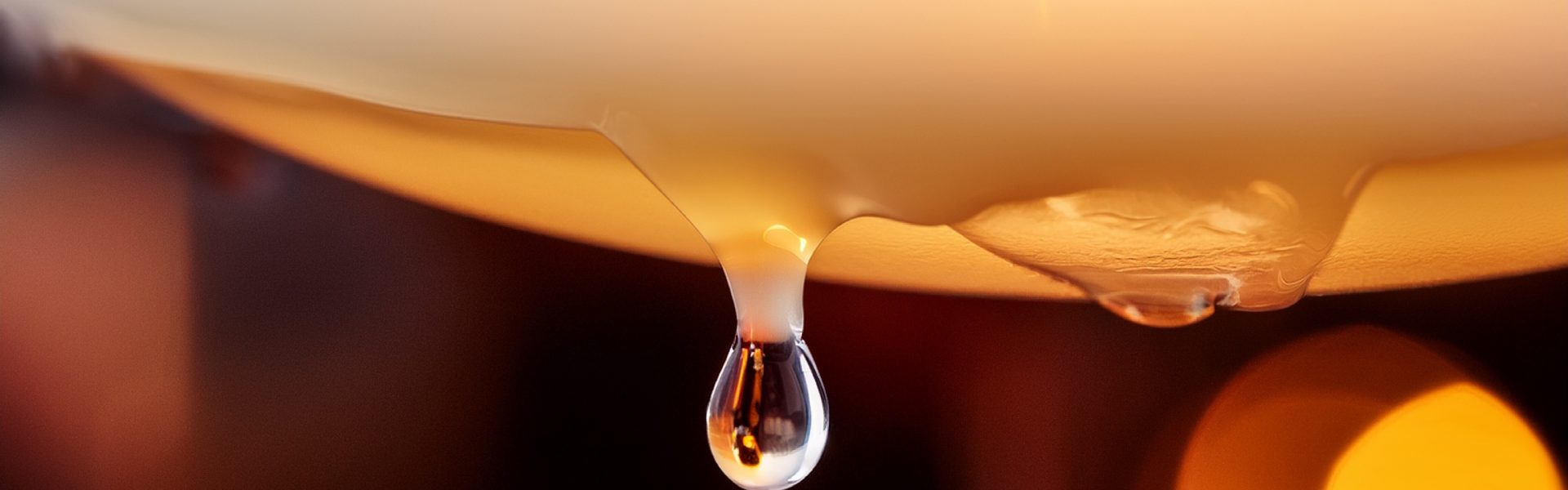
Data accuracy depends on batch stability.
Some suppliers can provide impressive test reports, but what truly impacts production is batch-to-batch stability. If the first batch is 60℃, and the second batch is 58℃ or 62℃, even if within the range, production parameters require repeated adjustments, affecting efficiency.
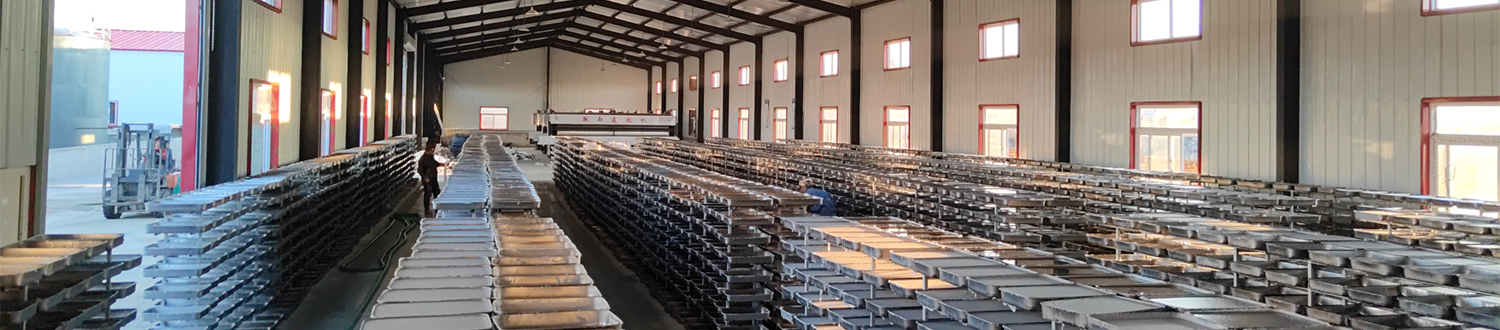
A practical method to determine data accuracy is to continuously sample several batches and observe whether the actual test results fluctuate significantly. Factories with substantial production capacity have relatively stable raw material sources and process control, resulting in smaller batch variations. Junda Wax, relying on a mature production system and stable raw material channels, can maintain a consistent melting point range over long-term supply, which is particularly important for export customers.
A normal melting point does not necessarily guarantee good performance.
Many customers find that paraffin waxes with the same melting point exhibit different performance characteristics. This is because the melting point is only one indicator and does not fully represent the internal crystal structure and oil content level. If the oil content is too high, even if the melting point meets the standard, the hardness may still be too soft; if the crystal structure is uneven, surface problems may occur after cooling.
Therefore, from the perspective of selecting paraffin waxOs testes de ponto de fusão devem ser combinados com testes de resfriamento, toque e combustão, em vez de depender de um único indicador. Ao fornecer amostras aos clientes, a Junda Wax também recomenda a realização de testes completos de produção em pequenos lotes para ajudar os clientes a confirmar o desempenho geral, em vez de apenas analisar a tabela de parâmetros.
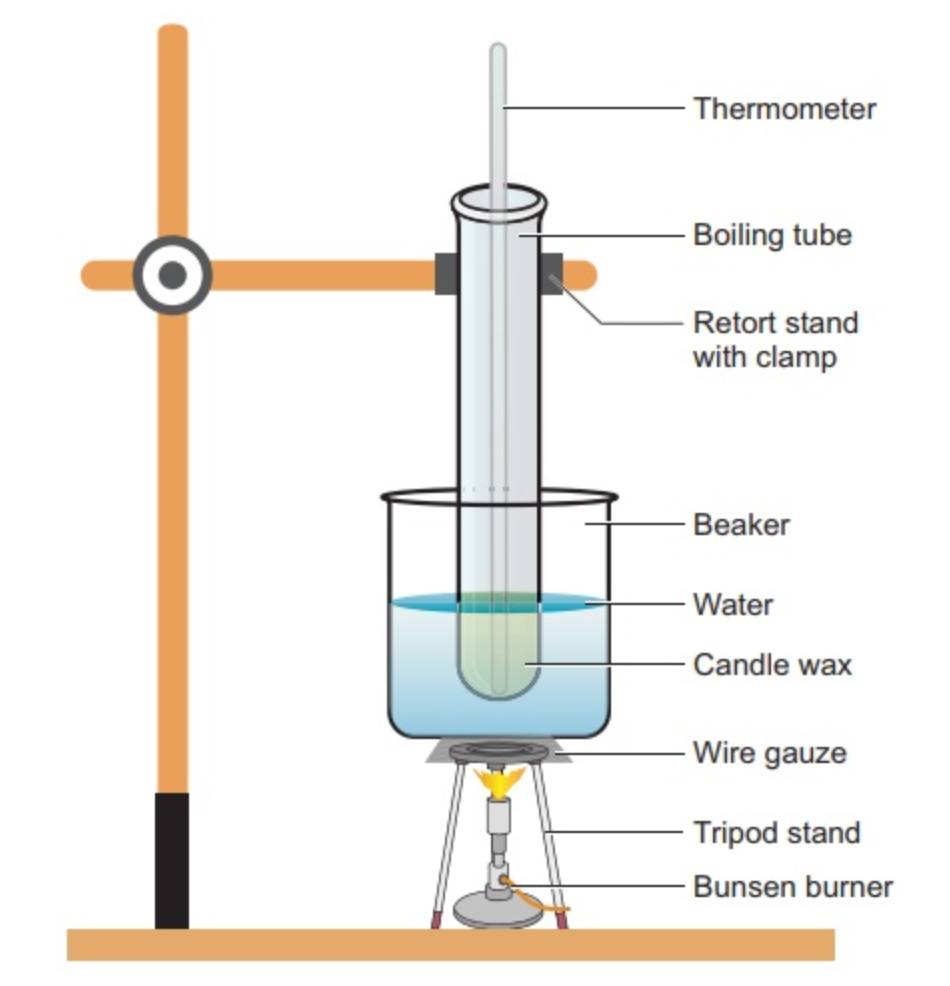
Como verificar dados de ponto de fusão?
Para uma verificação simples, testes com pequenas amostras podem ser realizados em condições experimentais utilizando equipamentos padrão de controle de temperatura. Registre toda a faixa de temperatura de fusão e compare-a com os dados fornecidos pelo fornecedor. É importante também garantir que o ambiente de teste seja consistente, caso contrário, a temperatura ambiente afetará os resultados.
Mais importante ainda, considere se o fornecedor está disposto a fornecer especificações estáveis a longo prazo, em vez de alterar frequentemente as fontes de matéria-prima para reduzir custos. Um sistema de fornecimento verdadeiramente confiável deve ser sustentado por uma capacidade de produção contínua que respalde os dados. A Junda Wax exporta cera de parafina totalmente refinada para diversos países e regiões há muitos anos e pode fornecer continuamente produtos com diferentes faixas de ponto de fusão. Ela também fornece linhas de produção de cera, pós coloridos e equipamentos para fabricação de velas, formando um sistema completo de suporte integrado.
Embora o teste do ponto de fusão da parafina seja útil, ele representa apenas uma dimensão para avaliar a qualidade. O que realmente importa é se os métodos de teste são padronizados, se os lotes são consistentes e se o teste é adequado para a aplicação em questão. Do ponto de vista da seleção de materiais, em vez de confiar apenas em um relatório de teste, é melhor escolher uma fábrica com capacidade de produção em larga escala e um fornecimento estável a longo prazo.
Se você está avaliando novos fornecedores de parafina ou buscando melhorar a estabilidade de seus produtos atuais, entre em contato com a Junda Wax. Podemos recomendar faixas de ponto de fusão adequadas com base no tipo de produto e nas exigências do mercado de exportação, além de fornecer suporte contínuo e estável ao fornecimento de parafina.
